When you renovate your bathroom, it’s always thrilling to choose the new tiles, lighting, and fittings. However, there’s one step that people often overlook: waterproofing. If your bathroom isn’t properly waterproofed, water can leak into the walls and/or floor. This can lead to mold, smells, and expensive repair bills later. In this blog, we’ll provide you guidelines for waterproofing mistakes to avoid during bathroom remodeling.
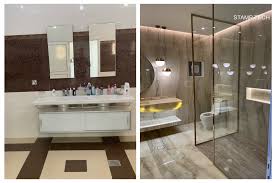
Waterproofing Mistakes to Avoid During Bathroom Remodeling as follows:
Here are the mistakes that must beavoidedd during the renovation of your bathroom:1. Skipping Waterproofing
Some people think tiles or grout will stop water. However, while tiles are certainly water-resistant, they are not considered waterproof. Water will gradually seep through even the tiniest cracks and cause damage underneath the surface. How to avoid it: Always waterproof the floor surface and walls before you begin your tile installation. Use a quality waterproofing product. At Nyce Renos, we always double-check that all wet areas have an effective waterproofing barrier.2. Wrong Products
Not all waterproofing products are created equally, and opting for low-priced or unsuitable products can absolutely lead to leaks in the future. How to Avoid It: Purchase waterproofing materials specifically manufactured for bathrooms. Examples include:- Liquid waterproofing in corners and uneven surfaces
- Sheet membranes installed under tiles for robust waterproofing
- Waterproof boards for walls and floors
3. Neglecting corners and joints
Even if you waterproof everything else, leaks frequently occur in corners and joints – those junctions where walls meet or where the wall meets the floor. How to avoid it: Before you do any waterproofing, cover corners and edges with a waterproof tape or band. This will prevent water from sneaking through those small gaps.4. Not waiting for it to dry
Many individuals will begin tile work before the waterproof layer is properly dry. This can inhibit the adhesion and, later, serve as a cause for the adhesive itself to peel or crack. How to avoid it: A simple solution… don’t be so hasty! Wait for the waterproofing to dry for a minimum of 24–48 hours before placing tiles. At Nyce Renos, we have never, and will never, forgo drying time. This step is vital!5. Issues with Floor Slope
Even if your shower is properly waterproofed, water can still pool if the floor does not slope towards the drain. Pooling water can cause slips, leaks, or mold. How to avoid problems: Check that the slope of the shower floor guides the water gently toward the drain (should be about a ¼ inch per foot). Also, check that the area around the drain is well-sealed.6. Neglecting to Seal Around Pipes and Fixtures
Every pipe hole in a wall or floor is a potential entry point for water. If these areas are not sealed tightly, leaks and moisture can develop behind the tile. How to avoid issues: Use silicone sealant or rubber collars around all pipes, taps, and shower fittings. Check your seals before tiling, and date seal a few weeks after you have finished tiling.The Importance of Waterproofing
Proper waterproofing keeps your bathroom and home protected. Waterproofing:- Prevents water damage and leaks
- Helps reduce mold and mildew
- Minimizes cracked tiles and grout
- Increases the lifespan of your bathroom